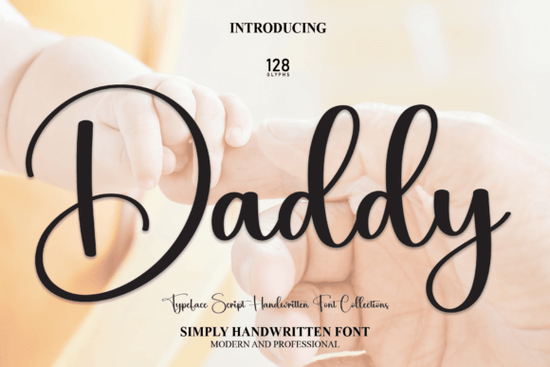
If you are looking for a handwritten script that brings warmth and softness to your projects, Daddy Font offers exactly that kind of gentle touch. Crafters and small business owners often choose this typeface because the strokes flow naturally without feeling forced or overly perfect. The letterforms carry a light, romantic quality that works beautifully across different mediums, whether you are printing custom packaging, designing wedding stationery, or creating digital planner pages.
What makes a gentle script font stand out in personal projects?
Hand-drawn typefaces succeed when they mimic the rhythm of actual pen on paper. This particular style captures that balance by keeping the loops open and the baseline slightly uneven, which gives readers a sense of authenticity. You will notice how the connecting strokes reduce visual clutter while still maintaining high legibility. When applied to label designs or gift tags, the font adds a quiet elegance that larger block letters simply cannot replicate. Designers who prefer minimal layouts appreciate how the weight stays consistent across most characters, allowing quotes or short phrases to remain readable at smaller point sizes.
Which romantic typefaces pair well with this style?
Typography matching depends heavily on the mood you want to communicate. If you enjoy softer handwriting but need something with more sparkle for special occasions, exploring glittery romance styles can help you build cohesive brand assets. For brands leaning toward retro charm, comparing the curves of playful vintage cursive types reveals interesting contrasts in baseline behavior and terminal flourishes. Some creators prefer a steadier, grounded feel, so checking serene everyday lettering shows how regular spacing can calm down a busy layout. When working with botanical themes, browsing botanical pairing collections demonstrates why certain x-heights sit better alongside floral illustrations. Finally, testing versatile naming choices against your logo marks prevents mismatched scale issues before you commit to final artwork.
How do creators actually use this hand-lettered style?
Print-on-demand sellers frequently apply this script to apparel and home decor because the flowing lines translate cleanly to vinyl cutting and direct-to-garment printing. The smooth curves avoid sharp angles that might cause weeding problems or cracking over time. Hobbyists use it for scrapbook headers, recipe cards, and journal prompts where a personal, diary-like atmosphere feels appropriate. Digital marketers sometimes place single-word headlines on social templates since the shape commands attention without demanding heavy background contrast. Whatever medium you pick, the key is leaving enough breathing room around the text so the delicate connections do not merge into an unreadable blob.
Daddy Font remains a solid choice when you need a reliable script that balances friendliness with clear readability. Before adding it to your commercial toolkit, take a moment to review the license terms, verify character set coverage for any international text you plan to use, and run a test print to confirm how ink behaves on your chosen stock. Most crafting software handles standard OTF files without issue, but converting to outlines or paths before export keeps spacing intact.
What should I check before downloading script typography?
Three quick steps prevent frustrating revisions later. First, inspect the ligature and alternates menu to see how letter combinations connect automatically versus manually. Second, open the kerning pairs panel to adjust tight gaps between specific letter groups like Av, To, or Wa. Third, experiment with color inversion or emboss effects in your design program to ensure the stroke thickness holds up when scaled down. Keeping a style guide with these parameters saves time when you hand off files to printers or freelance collaborators.
Before you finalize your artwork, run through this quick verification list:
- Test the full phrase at your intended print size to confirm legibility.
- Check alignment tools so the baseline sits level against supporting graphics.
- Export vectors in SVG or EPS format to preserve curve accuracy.
- Review commercial usage rights to stay compliant with marketplace rules.
Start with a simple mockup on matte cardstock, adjust tracking until the spacing feels balanced, and save your working file with version notes. Once the layout passes your own eye test, you are ready to produce the final pieces or upload them to your storefront.
 Handmade Fonts for Creative Design Projects
 Creative Projects with Stylish Handwriting Fonts
 Glitter Fonts: How to Use Them in Your Design Projects
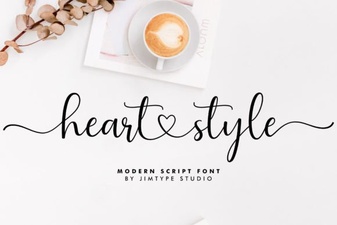 Heart Style Fonts for Creative Design Projects
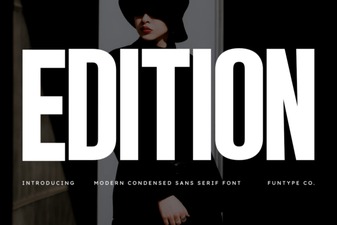 Edition Font: Design Choices for Creative Projects
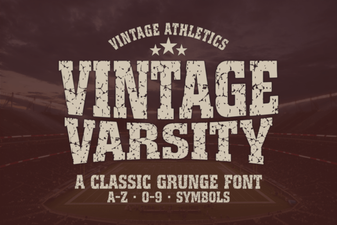 Capture Classic Charm with Vintage Varsity Font