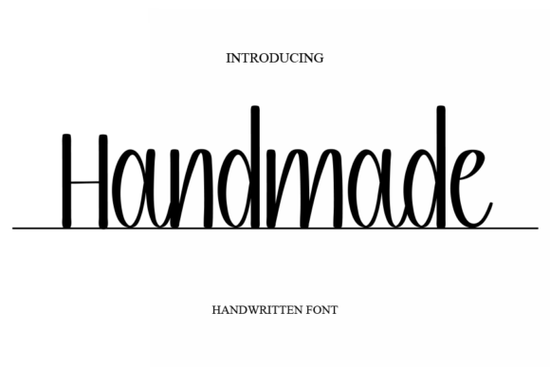
If you are looking for a typeface that adds a personal touch without sacrificing readability, the Handmade Font fits that need perfectly. Designers, crafters, and print-on-demand sellers often struggle to find lettering that feels warm but still scales well across different mediums. This particular script type delivers exactly that balance, making it easy to apply to everything from wedding invitations to t-shirt mockups. It reads like actual pen strokes but maintains consistent spacing, which saves hours of manual editing in your preferred layout software. The open counters and relaxed line weights keep text legible even when reduced for small labels or jewelry tags.
Why do creators prefer this particular brush style?
The secret behind its popularity lies in how it handles character curves and baseline variation. Unlike many heavy marker fonts that turn muddy when scaled down, this design keeps its clean edges intact. That technical detail matters when you are preparing files for sublimation or embroidery machines. Hobbyists also appreciate how it mimics real calligraphy without requiring a graphics tablet or expensive training. You simply place the text, adjust tracking slightly, and get an instant polished look that appeals to small business owners building a relatable brand identity. It avoids the stiff uniformity of mechanical type while staying organized enough for professional presentations.
Which projects benefit most from this layout?
You will notice it works exceptionally well for projects that require a conversational tone. Social media managers use it to create quote graphics that stop the scrolling because the casual strokes feel approachable rather than corporate. Print-on-demand entrepreneurs find it ideal for niche apparel designs where a rustic or boho aesthetic drives sales. Some creators blend it with softer accents, similar to the delicate atmosphere found in sparkle-themed lettering packs, to build cohesive seasonal bundles for their online stores. When running a boutique shop, consider pairing it with cleaner sans-serif options to maintain visual hierarchy between headlines and body copy. The flexibility extends to party invitations, bakery stickers, and podcast cover art where a handwritten vibe boosts engagement.
How does it perform compared to traditional handwriting sets?
Traditional quill or cursive typefaces often demand strict baseline alignment and careful kerning adjustments. This modern take relaxes those requirements while keeping the organic feel intact. Many creators switch to it after experimenting with denser decorative sets, noticing how quickly it reduces rendering time on packaging designs. Shop owners who previously used complex display scripts now report fewer customer complaints about illegibility at smaller sizes. It occupies a comfortable middle ground between rigid geometric scripts and overly loose sketch styles, giving you reliable results across multiple export formats. You might also explore complementary styles like nature-inspired duo combinations when designing multi-element stationery suites.
How to integrate it into your workflow smoothly
Proper installation starts with extracting the downloaded archive and placing the font files into your operating system’s designated folder. After restarting your design application, the new option will appear under the main type menu. Adjust line height to roughly 1.2 or 1.3 to accommodate the ascenders and descenders that give hand-lettered styles their character. Keep tracking loose by a few points so individual letters breathe naturally against one another. Pairing it with minimalist backgrounds ensures the strokes remain the visual focal point rather than competing with busy textures. Creators frequently combine it with light flowing scripts for layered quotes, or switch to chunkier markers like bold block styles when designing event banners that need stronger visual impact.
If you want to explore additional market trends and verified licensing details for this specific type family, checking the official marketplace listing through Handmade Font provides accurate commercial guidelines and updated asset previews.
Your next steps for a stress-free implementation
Use this quick verification list before finalizing any client order or printed run:
- Confirm your intended use matches the purchased license tier (personal vs commercial).
- Open a blank canvas and draft three headline variations to test scalability across mobile screens and physical prints.
- Export proof files in both PDF and high-resolution PNG formats to prevent compression artifacts.
- Backup your master source files with embedded fonts or outlined text layers to guarantee consistency when switching computers.
Stick to these practical checks, and your layouts will maintain professional polish while keeping that authentic, approachable charm that today’s audiences respond to.
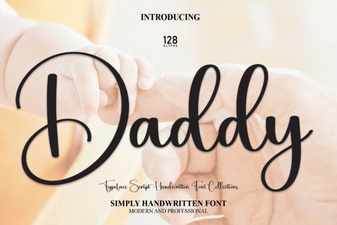 Explore Typography with the Daddy Font
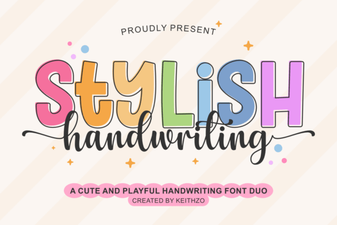 Creative Projects with Stylish Handwriting Fonts
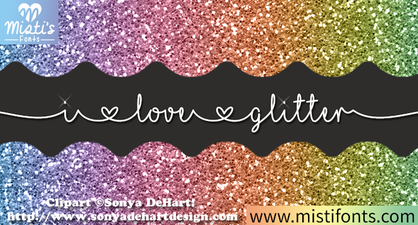 Glitter Fonts: How to Use Them in Your Design Projects
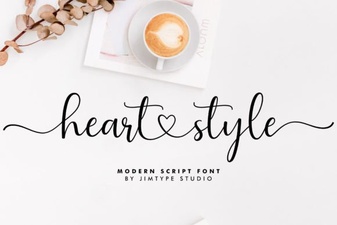 Heart Style Fonts for Creative Design Projects
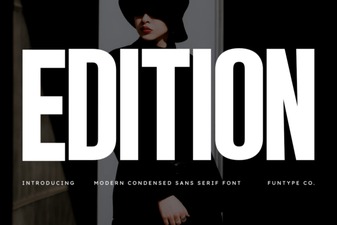 Edition Font: Design Choices for Creative Projects
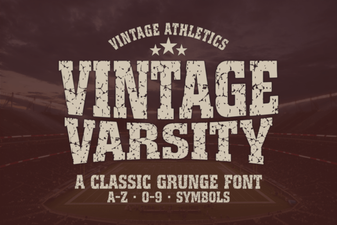 Capture Classic Charm with Vintage Varsity Font