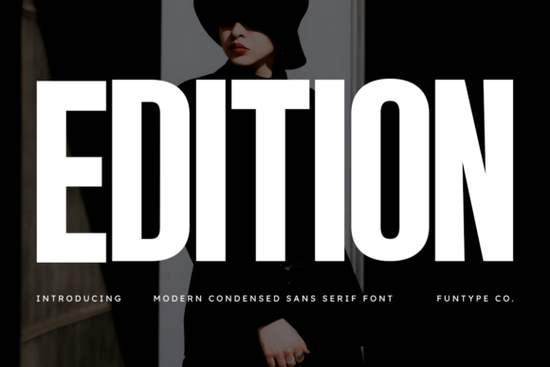
If you are hunting for a display typeface that stays sharp when scaled down or stretched across wide layouts, you usually need a tight geometric cut that commands attention without taking up horizontal space. Edition Font fits that exact need. Designed with a tall structure and narrow letterforms, this ultra-condensed sans serif keeps visual weight high while minimizing tracking issues. Print-on-demand creators, small business owners, and graphic designers often reach for it when standard wide fonts blow out margins or lose legibility at smaller sizes. Because the character shapes remain clean and tightly packed, you get a polished look that reads clearly even on crowded poster grids or apparel mockups. This approach keeps your visual hierarchy tidy while maximizing shelf space on digital storefronts or physical packaging.
Why does my layout feel cramped when I scale down display fonts?
Standard wide headers force you to choose between shrinking readability or wasting white space. An ultra-condensed cut compresses width while preserving height, giving headlines a sturdy feel for sports graphics, music releases, and banners. Thick stems maintain contrast against busy backgrounds, preventing the fuzzy edges common with thin alternatives. Tightening tracking slightly avoids collapsing the inner spaces, giving your text a custom-tuned look. Teams browsing this condensed style collection rarely need manual adjustments thanks to the consistent stroke weights.
How do I apply it reliably for print-on-demand and packaging projects?
Apparel printing and product boxes thrive on type that survives heat pressing. Bold stems hold up during screen transfers because hairline details stay intact. Keep margins around narrow forms to avoid visual heaviness near dense graphics. All-caps mode maximizes that structured silhouette, while lighter variants preserve contrast against photographic textures. Crafting enthusiasts also love how quickly these characters trace cleanly into vector paths for logos. Testing at actual output size prevents surprise bleed during cutting or foil stamping.
Which complementary typefaces create balanced hierarchy in the same design?
Mixing tight geometric headers with softer body text prevents rigid compositions. Ground an aggressive title with a casual hand-drawn option to soften the mood. Designers often explore a relaxed coastal style to introduce organic curves that balance those straight vertical lines. Alternatively, a rounded geometric face adds friendly contrast without competing for attention. Visiting a rounded geometric face provides a clean structural partner with wider proportions for longer copy. Maintaining clear visual distance between display and reading text keeps hierarchy sharp.
What steps should I take before downloading files for commercial work?
Licensing terms vary, so always verify usage rights before launching campaigns. Premium bundles typically cover desktop, web, and merchandise, though you should confirm extended coverage for sublimation or POD networks. File format consistency matters, so checking extensions before purchase ensures smooth integration with your current software. After installation, preview kerning pairs and enable stylistic alternates to fix awkward overlaps. Always test combinations on actual production materials, since ink spread changes how tight letterforms render on fabric or cardboard.
Previewing live samples reveals how spacing behaves under real conditions. Many creators check the Edition page to run quick typographic tests and compare line heights. Downloading trial packs verifies software compatibility, while organizing approved assets into project folders cuts down launch-week stress. Regular backups of licensed fonts protect your library from unexpected platform policy changes.
Practical setup checklist
- Confirm your commercial license covers print-on-demand and physical merchandise.
- Install all available weights and inspect the kerning table in your design tool.
- Adjust tracking downward gradually to prevent inner counters from closing up.
- Print a small sample on your target material before approving large orders.
Try reducing your headline tracking by three to five percent and observe how much extra room appears for supporting graphics. Shift the baseline slightly if elements sit too low, then lock layers to stop accidental stretching. Predictable spacing makes any layout look finished. Clean, consistent margins paired with tight letterforms give your brand a grounded, professional presence that holds up across both screen and print.
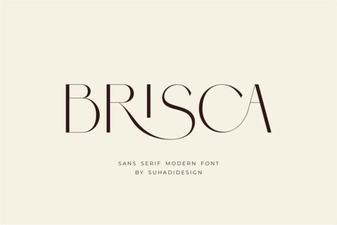 Brisca Font: Modern Typography for Creative Projects
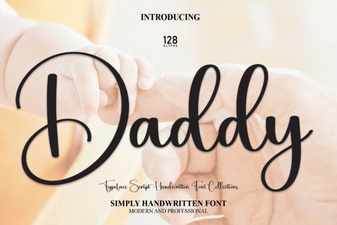 Explore Typography with the Daddy Font
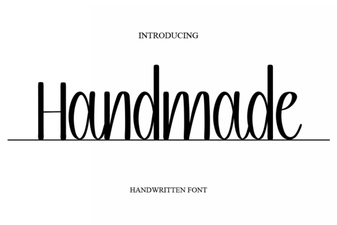 Handmade Fonts for Creative Design Projects
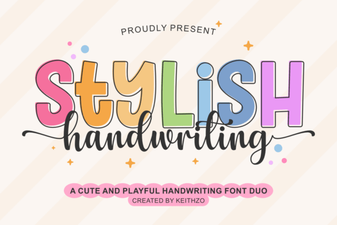 Creative Projects with Stylish Handwriting Fonts
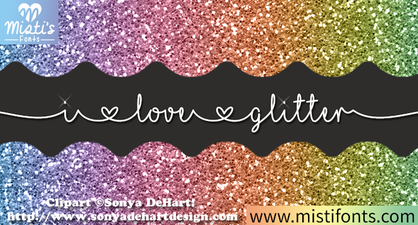 Glitter Fonts: How to Use Them in Your Design Projects
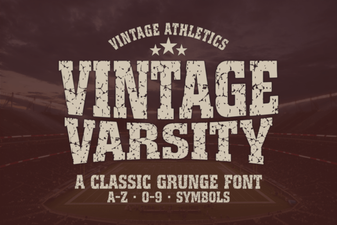 Capture Classic Charm with Vintage Varsity Font