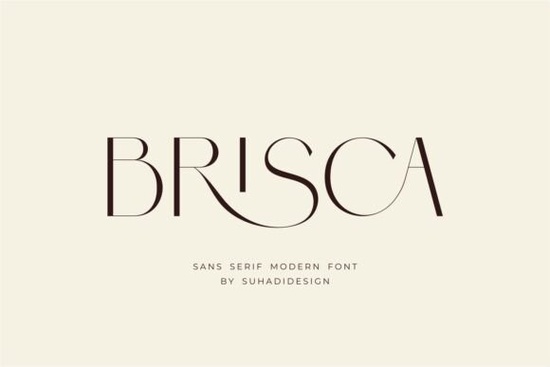
If you are looking for a clean typeface that brings structure without feeling stiff, the Brisca Font does exactly that. This modern sans serif works well for logos, packaging, and editorial layouts where readability and style need to balance each other out. Designers often choose it because the letterforms stay light, the spacing feels intentional, and the built-in ligatures add a touch of polish without cluttering the text. Whether you run a print-on-demand store, create brand identities, or just enjoy handcrafting digital projects, having a reliable typeface like this in your toolkit saves time during mockups. You can browse related styles at modern sans serif collection to see how other geometric designs handle spacing.
Why does this sans serif stand out in branding work?
Most commercial fonts try too hard to catch attention, which often backfires when the client wants a refined aesthetic. This font keeps things straightforward while still offering visual interest through subtle curve adjustments and balanced proportions. The ligature feature handles common letter pairs automatically, meaning your files load faster and look consistent across different platforms. When paired with simple photography or minimalist backgrounds, it gives beauty and cosmetic products a premium feel without requiring heavy graphic elements.
You will also notice how smoothly it scales. Large headlines remain crisp, while body text stays comfortable for longer reads. If you ever need a fallback option that matches its geometric simplicity, exploring Salty Beach Sans might save your project timeline. Both share that clean, approachable vibe that works across print and screen.
How should you pair it with complementary typefaces?
The best results come from keeping the hierarchy clear. Use this font for primary headings and key brand names, then switch to a neutral sans serif for paragraphs. Many creators prefer pairing it with classic book fonts for publications because the contrast stops the layout from feeling too uniform. For example, combining it with a traditional editorial style gives magazines and newsletters a trustworthy appearance. If you want something slightly more structured for sidebars, checking out Edition Serif provides a solid alternative that maintains professional balance.
When building social media templates or digital brochures, limit yourself to two weights at most. Regular and bold are enough to separate titles from supporting details. Avoid adding thin variants unless your final output supports high resolution, since overly light strokes can vanish on cheaper printing methods or mobile screens.
What happens when you apply it to actual product files?
Testing before committing makes a difference. Export mockups at the exact size they will appear, whether on social media, book covers, or signs. Check how ligatures behave at small measurements, since automatic substitutions sometimes clash with tight tracking. You can preview sample text by visiting the official listing for Brisca Font, where the creator shows how characters adjust across line heights. Running a quick test helps you catch alignment issues before production.
Where should you apply it for the best results?
This typeface adapts quickly to multiple mediums. Common applications include:
- Brand identities and wordmarks – Steady baselines and open counters make short names memorable.
- Cosmetics and wellness packaging – Clean lines communicate quality without sounding clinical.
- Magazine spreads and book interiors – Pairs well against dense text blocks.
- Social media graphics – High legibility ensures messages reach readers on small devices.
Small business owners often reuse the same file across business cards, invoices, and website navigation. Keeping everything aligned under one typographic system reduces decision fatigue. Set aside margin space around the edges, especially when trimming physical prints, so outer curves never get cropped.
Is licensing straightforward for commercial use?
Yes, provided you follow the platform guidelines attached to your download. Most creator licenses cover marketing materials, merchandise, and client deliverables, but reselling the raw font file is never permitted. Double-check extended rights if you plan to mass-produce items. Some projects require a multi-seat license when multiple designers access files, so reviewing terms early prevents billing surprises.
Practical checklist before finalizing your layout
- Verify ligatures render correctly at your smallest intended size
- Convert text to outlines only after confirming spelling and breaks
- Test color contrast against background shades using accessibility tools
- Export proofs in RGB and CMYK to catch hue shifts early
Next step: Replace placeholder headlines with this typeface in your current draft and compare the visual weight against existing assets. Notice how cleaner spacing feels when letters breathe instead of fighting for room. Lock the file into your brand folder once the message reads effortlessly.
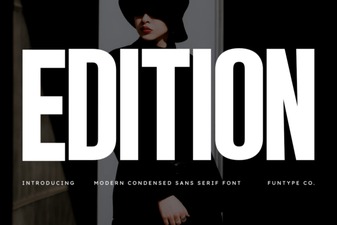 Edition Font: Design Choices for Creative Projects
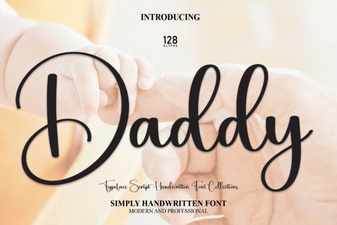 Explore Typography with the Daddy Font
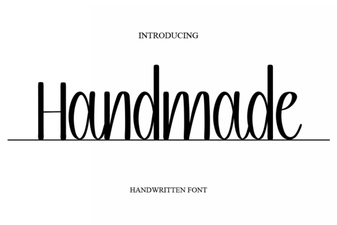 Handmade Fonts for Creative Design Projects
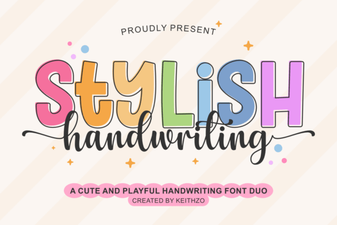 Creative Projects with Stylish Handwriting Fonts
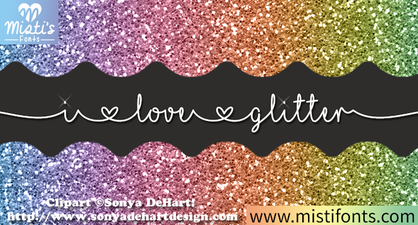 Glitter Fonts: How to Use Them in Your Design Projects
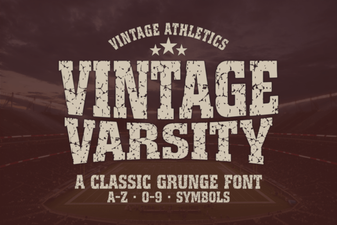 Capture Classic Charm with Vintage Varsity Font