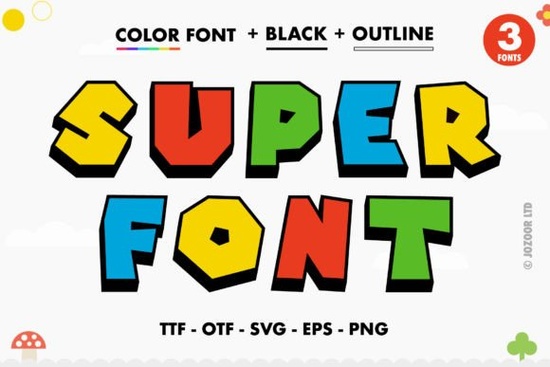
When you need a typeface that grabs attention without heavy editing, Super Font delivers exactly what modern makers look for. It combines bold letterforms with built-in color layers, so your text stays vibrant across digital mockups, print-on-demand apparel, and social graphics. Rather than layering clip art or wrestling with vector paths, you simply type your message and let the software handle the details. This approach saves hours during busy launch weeks, whether you are drafting Etsy listings or preparing files for shops in the {category} niche.
What sets this color font apart from regular black-and-white typefaces?
Most downloadable fonts rely solely on outlines. This one uses OpenType-SVG technology, meaning each character carries its own fill colors and subtle shadows. You get a thick, playful shape that reads well even at smaller sizes on business cards or phone cases. Because the design lives inside the font file, you never lose resolution when scaling it up for large banners or down for tiny product tags. The result looks polished immediately, requiring zero extra masking work.
Do I need advanced software skills to make it work in my workflow?
Advanced software skills are not required. Photoshop, Illustrator, Silhouette Studio, and Inkscape recognize the format natively once installed. You open your project, select the text tool, pick the typeface, and start typing. Want to swap standard letters for decorative swashes? The built-in glyph panel handles the switch instantly. Small business owners benefit greatly from this streamlined process. Instead of hiring freelancers for custom lettering, you maintain full control over brand voice while staying within budget. The reduced learning curve means you can onboard new team members quickly and standardize your asset library.
How does the PUA encoding actually help me manage alternate shapes?
Traditional editors sometimes hide special characters behind tedious shortcuts. PUA (Private Use Area) encoding places those extras where most programs read them directly. You access the full library of strokes and color variations without hunting through hidden menus. Once your preferred version appears, you lock it in and continue building. This keeps layers tidy, reduces file size, and simplifies exporting clean SVG or PNG assets later on. Consistency matters when managing inventory across multiple storefronts. Using a single reliable source ensures every variant matches your brand guidelines without manual adjustments. You spend less time troubleshooting missing fonts and more time updating product photos or running ad campaigns.
Can I safely use it for commercial print-on-demand products?
You can absolutely use it for commercial projects, provided you verify file compatibility first. The OpenType-SVG version works smoothly in Photoshop, Illustrator, Silhouette, and Inkscape. Keep in mind that the OTF or TTF files will not load correctly in Cricut Design Space, since that platform requires traditional outline fonts. If you plan to prepare vinyl cut files, stick to supported software or convert your layered text to basic outlines first. For detailed format behavior and compatible pairings, explore a curated selection of complementary decorative styles at the matching typeface hub.
What should I double-check before sending artwork to production?
A quick review prevents costly reprints and protects your margins. Run through these steps to keep files market-ready:
- Verify color modes: Use CMYK for offset printing and RGB for screen displays.
- Check resolution: Export final previews at 300 DPI to avoid pixelation on textiles.
- Test edge smoothing: View the design at actual size to catch stray pixels.
- Backup original layers: Save an unflattened file to adjust spacing later without starting over.
If you prefer to browse additional decorative options, visit Super Font to compare color treatments and see how creators apply the swatches across merch mockups.
Ready to test the typeface? Open your editor, paste a short phrase, and tweak the line height and tracking. Adjust kerning until the balance feels comfortable, then render a low-res preview. When the layout holds up on thumbnails, scale it up and export. Before locking in your final file, run a test print on the actual material you intend to use. Check how the ink absorbs on fabric or paper, then note any color shifts. Record these observations in a simple style sheet so future orders stay uniform. This habit saves money over time and builds trust with repeat customers.
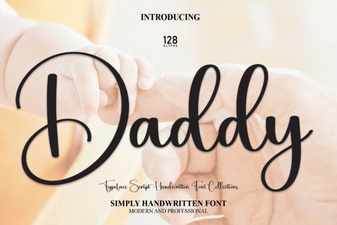 Explore Typography with the Daddy Font
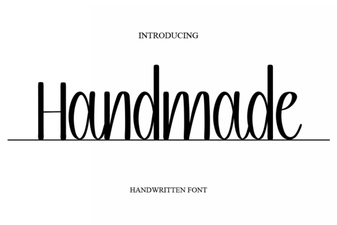 Handmade Fonts for Creative Design Projects
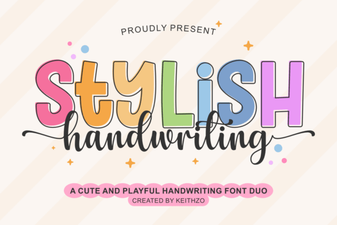 Creative Projects with Stylish Handwriting Fonts
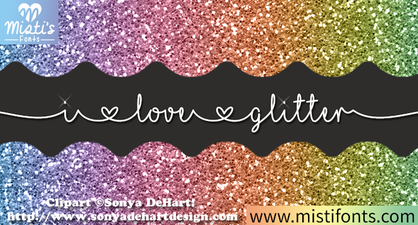 Glitter Fonts: How to Use Them in Your Design Projects
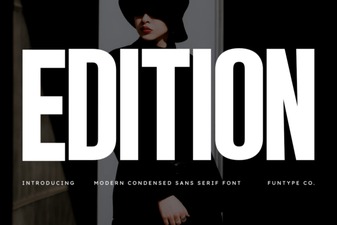 Edition Font: Design Choices for Creative Projects
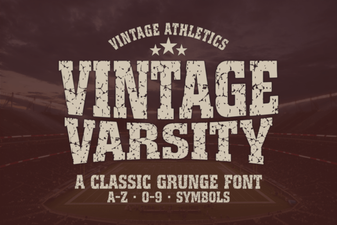 Capture Classic Charm with Vintage Varsity Font